Atomic Heart II expands retrofuturistic RPG into a global open world
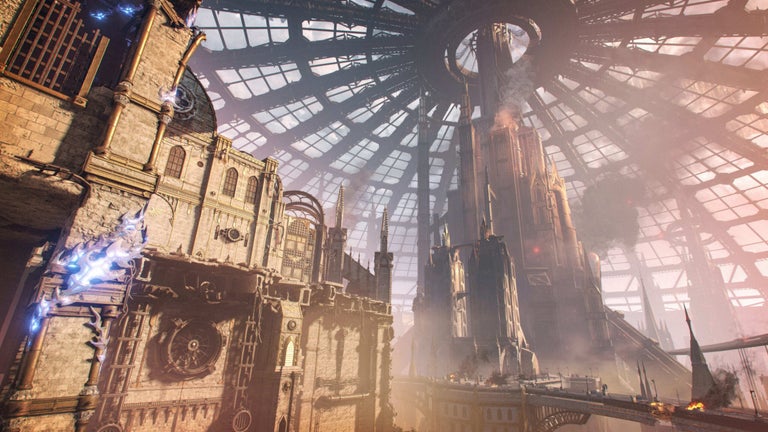
Atomic Heart II, developed by Mundfish, is a sequel that places the player in a retrofuturistic alternate-history world teetering toward societal collapse. It functions as an open-world action role-playing game, marrying narrative-led exploration with layered combat and player-driven choices that alter missions and outcomes. The sequel expands from isolated sites to global regions, adds deeper skill trees, weapon customization, and next-generation visuals powered by Unreal Engine 5. Fans of BioShock-style narratives and exploration will appreciate its moral complexity and scope.
What kind of experience does Atomic Heart II deliver?
You arrive in a world where political systems fray and technology has escaped tidy control, and your choices carry consequence across missions. So, exploration acts as investigation: tracking threats, confronting rogue machines, and deciding how far to push containment or compassion. The narrative focus ties player agency to ethical questions about artificial intelligence and control, giving decisions weight that changes how later encounters and story branches unfold.
Does Atomic Heart II support multiplayer or cooperative play?
The design centers on a single-player campaign that prioritizes scripted narrative beats and personal decision-making over social modes. Thus, interactions are built around solitary exploration and consequence rather than team tactics or shared matches. This focus sharpens storytelling opportunities and character arcs, but it also means players seeking cooperative play or competitive modes should expect the campaign to emphasize solo progression and authored encounters.
How do combat and progression systems shape play?
Combat mixes firearms, close-quarters weapons, and powered Polymer abilities, encouraging varied approaches to combat encounters. Progression arrives through expanded skill trees, special ability upgrades, and weapon customization that change how you tackle threats. Typical systems include:
- Firearm and melee combos for direct confrontations
- Dual-wield Polymer-glove powers for mobility and crowd control
- Weapon mods and upgrades that alter function and strategy
What do the environments, audio, and replayability offer?
Visuals take advantage of next-generation rendering to present layered lighting, dense environments, and detailed mechanical designs that give each region a distinct tone. Sound design supports the atmosphere with mechanical insect-like enemies and environmental hazards that shape stealth and combat choices. Replay value comes from the open-world structure and moral consequences; multiple playstyles and divergent choices encourage revisiting areas to test different builds and outcomes.
Atomic Heart II rewards players who seek dense, consequence-driven exploration
Atomic Heart II is a rewarding choice for players who appreciate deep narrative decisions and exploratory campaigns, though its technical demands favor modern multi-core, DirectX 12-capable systems. For those prepared to engage with extended single-player storytelling and system depth, it offers a focused campaign with meaningful choice. It also rewards patience with branching outcomes across varied regions.
.png)